The Silent Muscle Thief
As women and men move into their 50s and 60s, many begin to notice subtle changes in their bodies and muscles. Tasks that once felt effortless, such as climbing stairs, carrying groceries, or standing up from a chair, may suddenly feel more challenging. While many people assume the issue is simply “getting older,” there is often a specific underlying cause: sarcopenia.
Sarcopenia is an age-related condition linked to inactivity that leads to the gradual loss of muscle mass and strength. It can begin as early as our 40s and accelerate after age 50 if we do not take steps to maintain muscle health. The good news is that sarcopenia is not inevitable, and simple, consistent movement can make a significant difference.
Understanding what sarcopenia is and how to prevent it can help adults aged 50-plus remain strong, mobile, and independent for years to come.
What Is Sarcopenia and Why Does It Matter?
Sarcopenia occurs when the body gradually loses muscle mass and strength over time.
Muscle plays an essential role in overall health. It supports balance, protects joints, regulates metabolism, and helps maintain mobility. When muscle declines, several issues may follow:
• Reduced strength and endurance
• Slower metabolism
• Increased risk of falls and injuries
• Difficulty performing daily tasks
For adults aged 50+, preventing muscle loss is one of the most powerful ways to maintain independence, confidence, and quality of life.
Why Inactivity Accelerates Muscle Loss
One of the most significant contributors to sarcopenia is inactivity. Modern lifestyles often involve prolonged sitting at desks, in cars, or watching television. Over time, this lack of movement signals the body that large muscle groups are no longer needed, leading to gradual weakening.
However, the body responds remarkably well to movement. Even small, consistent exercise habits can stimulate muscle growth, strengthen bones, and improve overall health.
The key is focusing on simple exercises that activate major muscle groups and support functional movement.
The Solution: Building Your “Muscle Bank Account”, If you want to stay mobile and independent, you have to “invest” in your muscles. Research consistently shows that the most effective way to combat sarcopenia is through Progressive Resistance Training (PRT).
Many people over 50 focus solely on walking or “cardio.” While walking is excellent for your heart, it isn’t enough to stop muscle wasting. To keep your muscles, you must challenge them against resistance.
Effective Exercises That Help Prevent Sarcopenia
Certain movements are particularly beneficial because they target the muscles used in everyday activities. Incorporating the following exercises into a routine can help preserve strength and mobility.
1. Squats: Strength for Everyday Movement
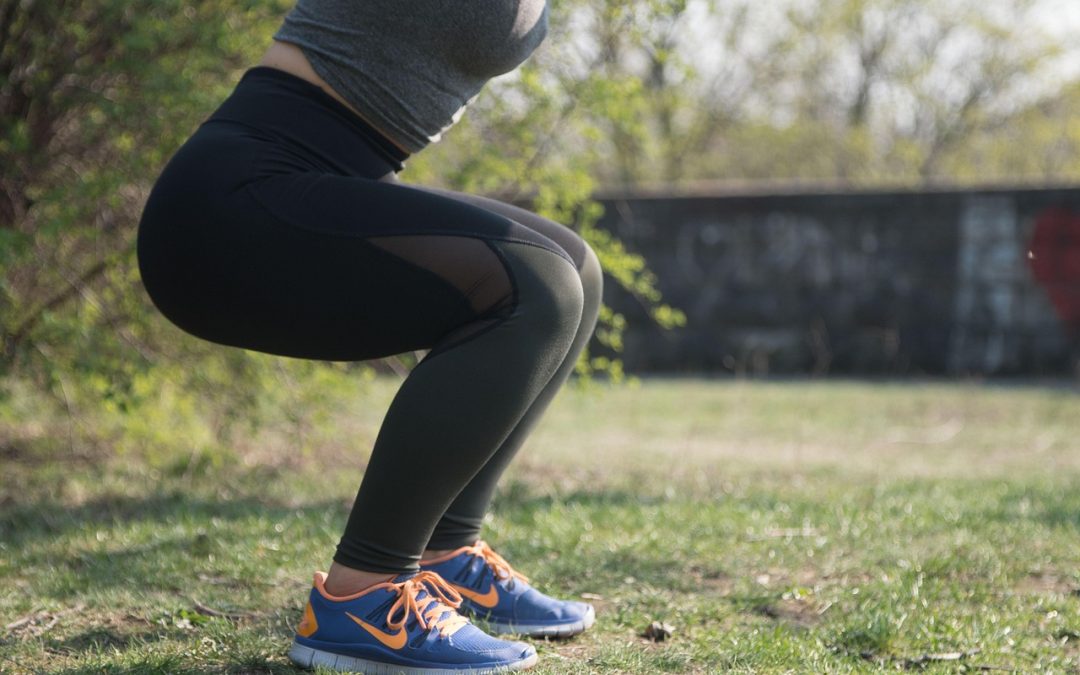
The squat is one of the most effective exercises for maintaining lower-body strength. Squats activate the hips, thighs, and glutes muscles essential for sitting, standing, and climbing stairs.
Benefits include:
• Improved leg strength
• Better balance and stability
• Increased joint support
• Enhanced independence in daily activities
Even a few sets of bodyweight squats each day can help maintain muscle function.
________________________________________
2. Calf Raises: Supporting Balance and Circulation
Calf raises strengthen the lower legs and ankles, which are crucial for walking stability.
Strong calves help:
• Improve balance
• Reduce fall risk
• Support circulation in the lower body
• Increase walking endurance
This simple exercise can be done while holding a chair or countertop for support.
________________________________________
3. Planks: Building Core Stability
The core muscles support posture, spinal health, and balance. A modified plank, such as a wall plank, can safely strengthen the core without placing stress on the back.
Plank helps:
• Improve posture
• Strengthen abdominal muscles
• Protect the spine
• Enhance overall stability
A 20–30 second plank held consistently can provide meaningful benefits.
________________________________________
4. Resistance Band Training: Safe Strength Building
Strength training is one of the most effective ways to combat sarcopenia, and resistance bands provide a safe and accessible option.
Resistance Band Training helps strengthen muscles without placing excessive strain on joints.
Benefits include:
• Improved muscle tone
• Increased flexibility
• Better joint stability
• Strengthening of arms, shoulders, and legs
Resistance bands are lightweight, affordable, and ideal for home workouts.
________________________________________
5. Walking: The Foundation of Healthy Aging
While strength training builds muscle, cardiovascular movement supports overall health and endurance.
Walking is one of the simplest and most effective habits for adults over 50.
Walking regularly helps:
• Improve circulation
• Support heart health
• Maintain joint mobility
• Boost mental well-being
• Increase overall activity levels
A brisk 20–30 minute walk most days of the week can significantly support healthy aging.
________________________________________
A Simple Daily Routine to Stay Strong After 50
A balanced movement routine does not have to be complicated. A short daily routine could include:
• Squats – 10 to 15 repetitions
• Calf Raises – 15 to 20 repetitions
• Plank – 20 to 30 seconds
• Resistance Band Exercises – 10 to 15 minutes
• Walking – 30 to 45 minutes
The Goal: Aim for three to four sessions per week. As the exercises become easier, increase the weight or the number of repetitions. Consistency matters far more than intensity. Small daily efforts can create powerful long-term benefits.
Strength Today Supports Independence Tomorrow
The goal of preventing sarcopenia is not just about building muscle; it is about protecting independence and quality of life. Maintaining strength allows adults to continue enjoying activities they love, caring for themselves, and remaining active in their communities.
Aging does not have to mean becoming weaker. With the right habits, women and men over age 50 can build strength, improve mobility, and continue thriving for decades to come.
________________________________________
If you are in your 50s or 60s and beyond, now is the perfect time to invest in your future strength. Start small by incorporating a few simple exercises into your daily routine. Whether it is squats, walking, or resistance band training, consistent movement can help protect your muscles and support healthy aging.
Consider committing to just 20–30 minutes of movement each day and observe how your energy, strength, and confidence begin to improve.
Your future mobility starts with the habits you build today.
The Bottom Line: Strength is Freedom
________________________________________
Disclaimer: This article is for informational purposes and reflects my personal experience; it’s not medical advice. Sarcopenia and age-related muscle loss affect everyone differently, so what works for me may not work for you. Before starting any new exercise or wellness program, especially if you have health conditions or take medications, check with a qualified healthcare professional like your doctor, dietitian, or sports medicine specialist. Always listen to your body, prioritize safety, and stop any activity that causes pain or discomfort.