Why Mastering Time-Restricted Eating (Intermittent Fasting) May Be the Missing Piece to Reducing Belly Fat, Inflammation, and Reclaiming Your Energy
Have you ever noticed that despite eating reasonably well and staying active, your belly seems determined to hold on to extra weight? For many women over 55, this can feel frustrating, discouraging, and even confusing. The truth is that not all belly fat is the same.
The stubborn fat around your midsection may be more than a cosmetic concern. It could be visceral fat, the hidden fat stored deep inside the abdomen around vital organs such as the liver, pancreas, and intestines. Unlike the fat you can pinch under your skin, visceral fat is metabolically active and has been linked to increased inflammation and a greater risk of health challenges as we age.
The good news? One simple lifestyle strategy may help: Time-Restricted Eating, also known as Intermittent Fasting.
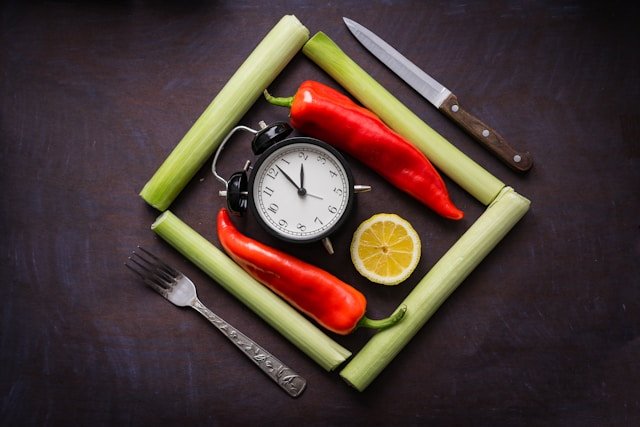
Time-restricted eating focuses on when you eat rather than counting every calorie. Instead of eating throughout the day and evening, you choose a specific eating window, often 8 to 10 hours and fast during the remaining hours.
For example, you might eat between 10:00 a.m. and 6:00 p.m. and allow your body to rest from food overnight.
So why does this matter for visceral fat? When we eat continuously throughout the day, our bodies are constantly processing incoming fuel. During a fasting period, insulin levels have an opportunity to decrease, encouraging the body to tap into stored energy reserves. Over time, this may support the reduction of excess body fat, including visceral fat.
Many researchers believe that time-restricted eating may also help reduce chronic low-grade inflammation, which is often associated with aging, excess weight, and many common health concerns. While no single approach is a magic solution, many women report feeling less bloated, more energized, and better able to manage their weight when practicing intermittent fasting consistently.
Another benefit is simplicity. There are no complicated meal plans, expensive supplements, or endless calorie calculations. Instead, the focus is on creating a structured eating pattern while choosing nourishing whole foods during your eating window.
One question I hear often is, “What can I drink while fasting?” Water is always the gold standard, but two beverages are widely considered among the best choices during a fasting window:
Unsweetened Green Tea – Green tea contains beneficial antioxidants called catechins that may help support overall wellness and combat oxidative stress. Many people enjoy it because it provides a gentle boost of energy without calories.
Black Coffee – Plain black coffee, with nothing added, is another popular fasting beverage. It may help improve focus, increase alertness, and temporarily reduce hunger sensations.
The Magic of the Clean Fast and the Mindful Pause: The key is to keep both beverages truly calorie-free. Avoid adding milk, cream, sugar, honey, flavored syrups, or sweeteners to your tea or coffee during the fasting period.
As a spirited baby boomer sharing wellness information and personal insights, I am not a doctor, registered dietitian, or clinical professional. This blog is intended for educational purposes only. Always consult your healthcare provider before beginning any new eating plan, especially if you have medical conditions or take medications.
9 Strategies to Master Time-Restricted Eating and Support Visceral Fat Loss
| Strategy | Details |
| 1. Start gentle and stay consistent | Begin with a 12:12 fasting schedule (for example, 7 a.m. to 7 p.m.) and follow it 2–3 days per week. Maintain this routine consistently for 4–8 weeks, gradually increasing the frequency or fasting window as your body adjusts. Many women age 55 and older find a 16:8 routine sustainable for supporting fat loss and balanced energy levels. This approach may help lower insulin levels and encourage the body to use stored fat for energy while still allowing adequate time to meet nutritional needs. |
| 2. Prioritize Whole Foods | Fill your plate with vegetables, fruits, lean proteins, healthy fats, and minimally processed foods. |
| 3. Stay Hydrated | Water supports digestion and energy and may help manage hunger during fasting periods. |
| 4. Enjoy Fasting-Friendly Beverages | Choose unsweetened green tea or plain black coffee without milk, sugar, or honey. |
| 5. Get Quality Sleep | Poor sleep can increase cravings, inflammation, and make weight management more difficult. |
| 6. Focus on Consistency | Small daily habits often produce better long-term results than extreme short-term efforts. |
| 7. Prioritize Protein at Every Meal | Adequate protein helps preserve lean muscle mass, which naturally declines with age. Maintaining muscle supports healthy metabolism, improves satiety, and may enhance fat loss while following a fasting routine. |
| 8. Include Strength Training 2–3 Times Per Week | Resistance exercises such as bodyweight movements, resistance bands, or weight training help build and maintain muscle. Combining strength training with time-restricted eating may be especially effective for reducing visceral fat and supporting healthy aging. |
| 9. Manage Stress Levels | Chronic stress can increase cortisol; a hormone associated with abdominal fat accumulation. Activities such as walking, yoga, meditation, deep breathing, or spending time outdoors can help manage stress and support overall metabolic health. |
Intermittent fasting may also offer additional health benefits, visit source links:
Intermittent fasting for reducing visceral adipose tissue (visceral fat):
Source Link: https://pubmed.ncbi.nlm.nih.gov/39501676/
Intermittent fasting and inflammatory markers in adults:
Source Link: https://pmc.ncbi.nlm.nih.gov/articles/PMC12348594/
Always check with your healthcare provider before starting intermittent fasting, especially if you have a medical condition or take medication.
The Takeaway – Visceral fat (belly fat) may be hidden, but its impact on health can be significant. In women age 55 and older, excess visceral fat can increase inflammation and raise the risk of heart disease, type 2 diabetes, insulin resistance, and metabolic dysfunction.
Time-restricted eating offers a simple, natural way to support fat loss, reduce inflammation, and improve metabolic health. Combined with whole foods, hydration, movement, and consistency, it can be a valuable tool for healthy aging. Remember, lasting results come from sustainable habits and choices, not perfection.
Are you currently practicing intermittent fasting, or are you considering giving it a try? Share your thoughts, experiences, and questions in the comments below.
If you enjoyed this article, subscribe to the blog and join our community of women 55+ who are committed to healthy aging, reducing visceral fat/belly fat and chronic inflammation, and living their best lives naturally, one meal, one day, and one healthy habit at a time.
Disclaimer: The information shared on this blog, website, videos, links, and resources is for educational and informational purposes only and is not intended as medical advice.
Everything I share is based on my personal experience and research. I am not a doctor, nutritionist, or healthcare provider, just a woman sharing what has worked for me on my journey with fasting, reducing chronic inflammation, menopause, and weight loss. Always consult your physician or a qualified healthcare professional before making changes to your diet, exercise routine, lifestyle, supplements, medications, or treatment plan, especially if you have a medical condition or health concerns. Results may vary, and any actions you take based on the information provided are at your own risk. This website and blog may contain affiliate links. If you make a purchase through these links, I may earn a small commission at no additional cost to you.
Thank you for visiting, supporting my blog and website, and being part of this journey!
Peace & Blessings!