The interplay between blood sugar, insulin, and inflammation is intricate because each factor influences the others in ways that create cycles of health or dysfunction. This dynamic relationship becomes more pronounced and impactful as people age due to physiological changes, lifestyle habits, and increased vulnerability to chronic diseases.
In this blog, we’ll explore how these factors intertwine, the role of intermittent fasting, and actionable steps to break free from the cycle. We’ll also highlight the insights of a leading medical expert Dr. Jason Fung, a nephrologist and functional medicine pioneer.
The Interconnection: Blood Sugar, Insulin, and Inflammation
High blood sugar leads to insulin resistance, which further elevates blood sugar. This cycle fuels inflammation, which in turn worsens insulin resistance.
This creates a vicious cycle that damages the body and contributes to the development and progression of type 2 diabetes.
When you consume carbohydrates or sugary foods, your body converts them into glucose (blood sugar). Insulin, a hormone produced by the pancreas, helps transport this glucose into cells for energy. However, a diet high in processed foods, refined carbs, and sugar can lead to insulin resistance—a condition where your cells no longer respond effectively to insulin. This dysfunction causes blood sugar levels to remain elevated.
Chronic high blood sugar triggers systemic inflammation, a key driver of diabetes complications like heart disease, kidney damage, and neuropathy. Inflammation also worsens insulin resistance, creating a vicious cycle that becomes increasingly difficult to escape.
Understanding the Players: Blood Sugar, Insulin, Type 2 Diabetes and Inflammation
What Is Blood Sugar?
Blood sugar, or glucose, is your body’s primary energy source. It comes from the carbohydrates you eat and circulates in your bloodstream. After a meal, your blood sugar levels rise, prompting your pancreas to release insulin—a hormone designed to transport glucose into your cells for energy or storage.
The Role of Insulin
Insulin acts as the gatekeeper, ensuring glucose moves out of your bloodstream and into your cells. However, when your body’s cells become resistant to insulin (a condition known as insulin resistance), glucose remains in the blood, leading to elevated blood sugar levels. Over time, this can lead to type 2 diabetes.
The Inflammation Connection
Here’s where the puzzle pieces start to come together. Chronic high blood sugar triggers inflammation by:
- Damaging blood vessels and tissues.
- Activating the immune system, which releases inflammatory molecules (cytokines).
Inflammation exacerbates insulin resistance, creating a vicious cycle where blood sugar levels spiral out of control. This cycle is the crux of type 2 diabetes progression.
- Blood Sugar (Glucose):
- The Body’s Fuel: Glucose is the primary source of energy for our cells. It comes from the food we eat, primarily carbohydrates.
- Regulation is Key: Blood sugar levels need to be tightly controlled. They naturally fluctuate throughout the day, rising after meals and falling between meals.
- Insulin:
- The Key: Insulin is a hormone produced by the pancreas. It’s like a key that allows glucose to enter cells for energy use.
- Unlocking Cells: When blood sugar rises after eating, the pancreas releases insulin. Insulin then binds to receptors on cells, signaling them to take in glucose.
- Type 2 Diabetes:
- Insulin Resistance: In Type 2 Diabetes, cells become less responsive to insulin. This is called insulin resistance.
- High Blood Sugar: As a result, glucose builds up in the bloodstream because it can’t enter cells effectively. This leads to persistently high blood sugar levels (hyperglycemia).
- Pancreas Overworks: Initially, the pancreas tries to compensate by producing more insulin. However, over time, it may become overworked and unable to produce enough insulin.
- Inflammation:
- A Hidden Player: Chronic low-grade inflammation plays a significant role in Type 2 Diabetes.
- Impairing Insulin Action: Inflammation can damage insulin receptors on cells, making them even less responsive to insulin.
- Vicious Cycle: High blood sugar itself can contribute to inflammation, creating a vicious cycle that worsens insulin resistance.
The Interplay:
- A Complex Dance: These factors are intricately linked.
- Insulin Resistance: Leads to high blood sugar.
- High Blood Sugar: Can cause inflammation.
- Inflammation: Worsens insulin resistance.
Key Takeaways:
- Type 2 Diabetes is a complex metabolic disorder.
- Understanding the roles of blood sugar, insulin, and inflammation is crucial for managing the condition.
- Lifestyle interventions, such as diet, exercise, and stress management, can help improve insulin sensitivity and reduce inflammation.
By recognizing how these factors interact, individuals can develop more effective strategies for managing their diabetes. This includes making informed lifestyle choices, such as dietary changes and exercise, that can help regulate blood sugar, improve insulin sensitivity, and reduce inflammation.
Prevention: Understanding these connections can help individuals take proactive steps to prevent the development of type 2 diabetes. By maintaining a healthy weight, engaging in regular physical activity, and adopting a balanced diet, individuals can reduce their risk of insulin resistance and inflammation.
Early Detection: Recognizing the early warning signs of insulin resistance and inflammation can help individuals identify their risk for developing type 2 diabetes earlier. Early detection allows for timely interventions and can significantly improve long-term health outcomes.
Holistic Approach: This understanding emphasizes the importance of a holistic approach to diabetes management. It highlights that addressing inflammation, in addition to managing blood sugar levels, is crucial for overall health and well-being.
By recognizing the intricate interplay between these factors, individuals can make informed decisions about their health and take proactive steps to prevent, manage, and potentially even reverse the effects of type 2 diabetes.
Breaking the Cycle with Healthy Habits
The good news? Healthy lifestyle changes can disrupt this cycle, allowing your body to regain metabolic balance. Dr. Jason Fung emphasizes that insulin resistance is reversible through dietary interventions, including intermittent fasting (IF), low-carb eating, and cutting out processed foods.
The Role of Intermittent Fasting
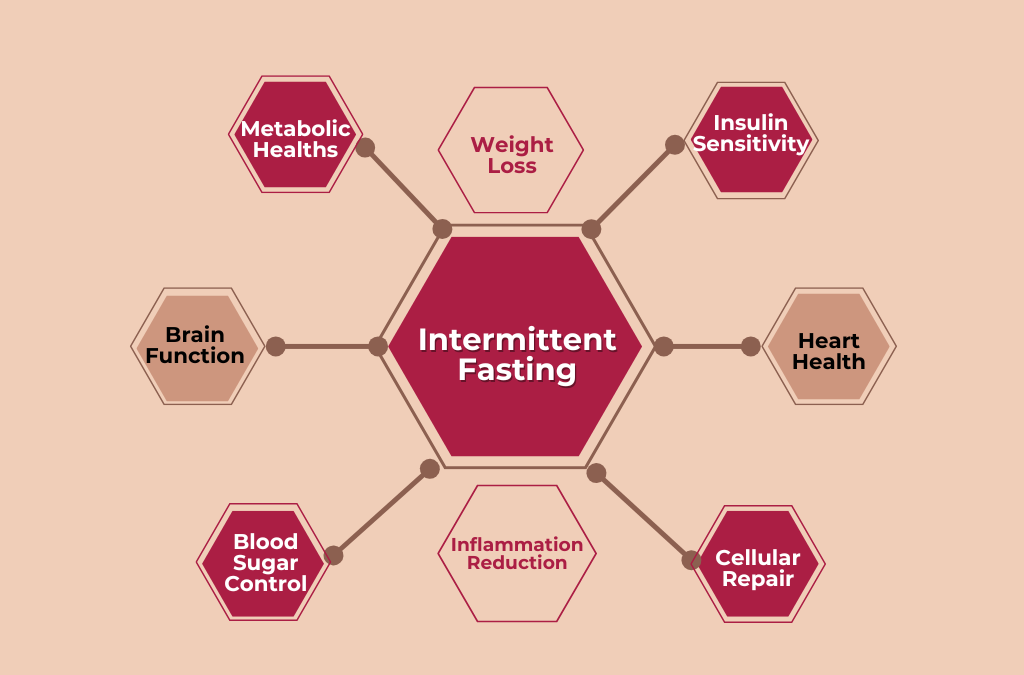
Intermittent fasting isn’t a fad; it’s a scientifically-backed practice with transformative benefits. Here’s how it works:
- Lowers Insulin Levels: Fasting allows insulin levels to drop, enabling the body to access stored fat for energy.
- Reduces Inflammation: Extended fasting periods help reduce pro-inflammatory markers in the body, alleviating chronic pain and improving overall health.
- Improves Insulin Sensitivity: Regular fasting trains your body to use insulin more effectively, reversing resistance.
- Promotes Autophagy: Fasting triggers cellular cleanup, removing damaged cells and fostering renewal.
Dr. Jason Fung is a Canadian nephrologist and functional medicine advocate who promotes a low-carbohydrate, high-fat diet, and intermittent and extended fasting. His book, The Diabetes Code, offers a comprehensive guide to using fasting as a tool for the prevention of diabetes and reversal.
He urges patients to:
- Prioritize whole, unprocessed foods like leafy greens, lean proteins, and healthy fats.
- Avoid snacking between meals to give the digestive system a break.
- Extend fasting periods to enhance fat-burning and reduce inflammation.
Steps to Prevent and Reverse Type 2 Diabetes
- Adopt Intermittent Fasting:
- Start with a simple 16:8 plan (16 hours of fasting, 8-hour eating window).
- Gradually increase fasting duration as your body adapts.
- Stay hydrated and consume electrolytes to maintain energy during fasting periods.
- Embrace Low-Carb Eating:
- Cut out refined carbs, sugary drinks, and processed snacks.
- Opt for nutrient-dense foods like avocados, nuts, seeds, and non-starchy vegetables.
- Incorporate Anti-Inflammatory Foods:
- Include turmeric, ginger, garlic, and omega-3-rich foods.
- Drink green tea and herbal infusions to reduce oxidative stress.
- Stay Active:
- Engage in 30 minutes of moderate exercise daily, such as walking, strength training, or yoga.
- Movement enhances insulin sensitivity and reduces blood sugar spikes.
- Practice Stress Management:
- Chronic stress raises cortisol levels, which can worsen insulin resistance.
- Incorporate mindfulness, meditation, or deep-breathing exercises into your routine.
- Get Regular Sleep:
- Prioritize 7-8 hours of quality sleep each night.
- Poor sleep disrupts hormones that regulate hunger and blood sugar.
Reclaiming Health in Your 50s and Beyond
Black men and women often face unique challenges in managing diabetes, including cultural dietary preferences and systemic barriers to healthcare. Yet, countless individuals have transformed their health by adopting fasting and clean eating.
The Broader Benefits of Healthy Habits
Addressing type 2 diabetes isn’t just about controlling blood sugar—it’s about reclaiming vitality and reducing the risk of related conditions like heart disease, kidney failure, and stroke. By embracing fasting, mindful eating, and holistic self-care, you can:
- Reduce joint pain and inflammation.
- Improve cognitive function and mood.
- Enhance longevity and overall quality of life.
Breaking the Cycle in the Black Community
Community-focused initiatives can amplify the impact of these strategies. Churches, local health groups, and social organizations can host workshops and support groups to educate members about fasting, nutrition, and diabetes prevention.
Empowering Black men and women with culturally relevant resources, such as meal plans featuring healthier traditional dishes, can make lifestyle changes more sustainable.
Take Charge of Your Health Today
If you’re ready to break the cycle of type 2 diabetes, start with small, consistent steps.
Explore intermittent fasting and check out expert Dr. Jason Fung, Nephrologist.
Your health journey is a deeply personal experience, but you don’t have to navigate it alone. Share this blog article with your loved ones and inspire them to join you on the path to wellness. Together, we can redefine the narrative of aging and create a vibrant, thriving future.
Empowerment and Action:
Type 2 diabetes can significantly affect overall health and well-being.
However, by understanding the interconnected roles of blood sugar, insulin, and inflammation, and taking proactive steps to adopt a healthier lifestyle, you can effectively manage or even reverse your diabetes and enhance your quality of life.
Metabolic Syndrome Components:
- Abdominal Obesity: Excess fat around the waist (waist circumference >40 inches in men or >35 inches in women).
- High Blood Pressure (Hypertension): Blood pressure ≥130/85 mmHg or use of antihypertensive medication.
- High Blood Sugar (Hyperglycemia): Fasting glucose ≥100 mg/dL or use of medication for elevated glucose.
- High Triglycerides: Triglyceride levels ≥150 mg/dL or on treatment for high triglycerides.
- Low HDL Cholesterol: HDL levels <40 mg/dL in men or <50 mg/dL in women.
Remember, you are not alone on this journey. By taking control of your health and making informed decisions, you can break free from the cycle of Type 2 diabetes and embrace a long, healthy, and fulfilling life.
This blog post offers a starting point for Black adults aged 50 and older on their journey toward better diabetes management. Recognize that every individual’s situation is unique, so seeking personalized guidance from healthcare professionals is essential.
Note: This blog post has been written for informational purposes only and should not be considered medical advice. I hope this blog post provides valuable information and empowers Black adults to take charge of their health and well-being.
Disclaimer: This content is intended for informational purposes only and does not constitute medical advice. Always consult a qualified healthcare professional to diagnose and treat medical conditions.