Stinging Nettle for Inflammation: Leaf vs. Root Benefits for Joint Comfort and Healthy Aging: One Plant, Two Powerful Benefits
Could This Overlooked Herb Help Calm Inflammation Naturally After 55?
As we grow older, many of us begin noticing subtle changes in our bodies. Knees may ache more when climbing stairs. Hands may feel stiff in the morning. Swelling, soreness, and inflammation can slowly affect mobility, comfort, and energy levels. For many adults over 55, finding natural ways to support joint health and reduce inflammation becomes an important part of healthy aging.
One herbal remedy that has quietly stood the test of time is STINGING NETTLE.
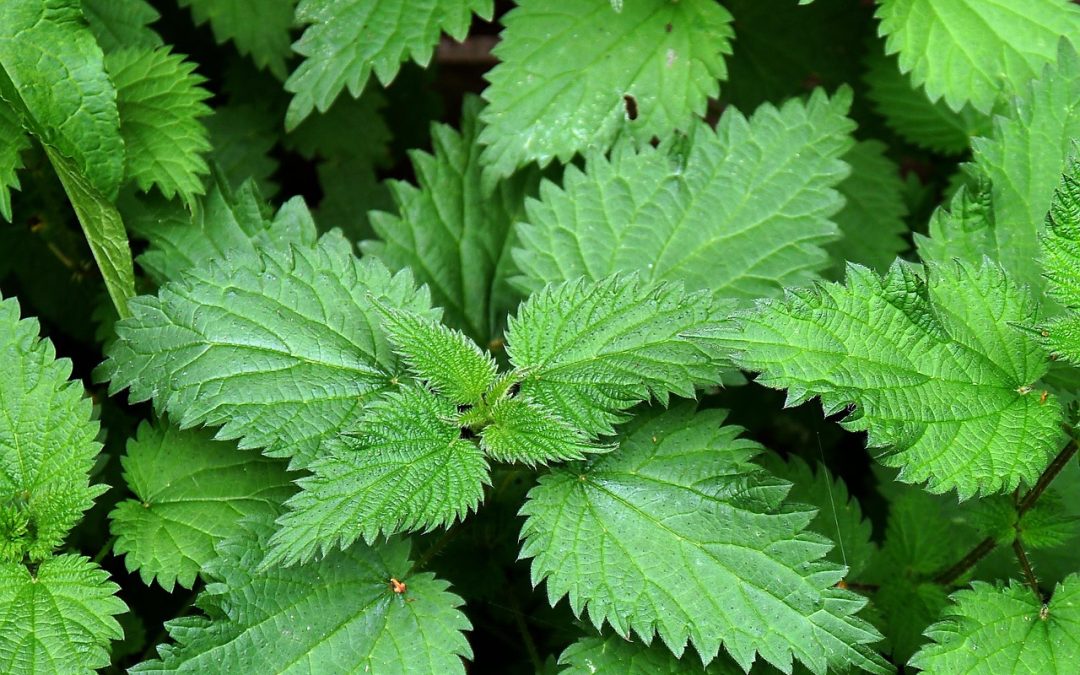
Although often dismissed as a wild weed, stinging nettle (Urtica dioica) has been used for centuries in traditional wellness practices. Today, many people are rediscovering this nutrient-rich plant for its potential ability to help support the body’s natural inflammatory response and overall wellness.
For me personally, I became interested in natural anti-inflammatory living after dealing with inflammation in my knees. Along my wellness journey, I began learning and researching deeper about herbs, fasting, nutrition, and lifestyle habits that may help support healthy aging naturally. Stinging nettle became one of the many wellness tools I explored and continue to use occasionally.
How Stinging Nettle May Help Reduce Inflammation
Acute inflammation is the body’s natural defense response. However, chronic inflammation may contribute to stiffness, discomfort, swelling, and age-related joint issues.
Stinging nettle contains plant compounds believed to help calm inflammatory pathways in the body. Researchers believe their antioxidants and polyphenols may help reduce oxidative stress, which is linked to inflammation and aging. A human study on oxidative stress protection and anti-inflammatory activity supports these findings. (Visit & read the study LINK on Oxidative Stress Protection and Anti-Inflammatory Activity): https://pubmed.ncbi.nlm.nih.gov/40572482/
Many people use stinging nettle tea or supplements to support the following:
• Joint comfort and mobility
• Reduced stiffness
• Muscle recovery
• Overall wellness
• Healthy aging support
Some people report that regular use helps them feel less achy and more flexible, especially when combined with healthy eating, hydration, movement, and stress management.
Nutrients, Vitamins, and Minerals in Stinging Nettle
One reason stinging nettle is often called a “super herb” is that it contains a wide variety of nutrients that may help nourish the body. Here is a closer look at what stinging nettle contains:
Vitamins Found in Stinging Nettle
• Vitamin A – Supports vision, skin, and immune health
• Vitamin C – Supports collagen production and antioxidant protection
• Vitamin K – Important for bone health and circulation
• B Vitamins – Help support energy production and metabolism
Minerals Found in Stinging Nettle
• Iron – Helps support healthy red blood cells
• Calcium – Supports strong bones and teeth
• Magnesium – Helps support muscles, nerves, and relaxation
• Potassium – Helps support heart and fluid balance
• Zinc – Supports immune function
• Silica – May help support healthy hair, nails, skin, and joints
Powerful Plant Compounds
Stinging nettle also contains antioxidants, flavonoids, polyphenols, and chlorophyll compounds that may help protect cells from damage associated with inflammation and aging.
Stinging Nettle for Inflammation: Leaf vs. Root Benefits for Joint Comfort and Healthy Aging: One Plant, Two Powerful Benefits
Stinging Nettle Leaf vs. Root: What Is the Difference?
Although they come from the same plant, the leaf and root are used for very different wellness purposes. Neither is universally “better”; they simply target different health goals.
Benefits of Dried Stinging Nettle Leaves
The leaves are most commonly used in teas and are especially valued for their rich nutritional profile. Potential benefits include:
• May help support reduced inflammation in joints and muscles
• Rich source of vitamins and minerals
• May support hydration and circulation
• Traditionally used to support seasonal wellness
• May help support healthy skin and hair
• Often used as a nourishing daily wellness tea
The leaves are generally preferred by people looking for overall nutritional and anti-inflammatory support.
Benefits of Stinging Nettle Root
The root contains different natural compounds and is often used for other wellness concerns. Potential benefits include:
• Commonly used to support prostate wellness in men
• May help support urinary tract health
• May support healthy hormone balance
• Contains compounds believed to support inflammatory balance
Many adults over 55 use nettle root as part of their wellness routine, especially men focused on aging-related urinary and prostate support.
Leaf or Root – Does It Really Matter?
The short answer is yes – and here is why.
The Stinging Nettle Leaf is best for allergies, inflammation, and nutrient support. The Stinging Nettle Root is best for prostate and urinary health. Choosing the right part of the plant means choosing the benefit most relevant to your personal wellness goals.
Helpful Hint: Avoid handling fresh stinging nettle leaves, as their fine barbs can irritate the skin, always wear gloves when handling them.
What About Stinging Nettle Tea: Brewing and Taste?
Stinging nettle tea tastes and brews differently depending on which part of the plant you use. The leaves produce a gentle, grassy brew that supports overall wellness, while the roots yield a stronger, earthier tea often used to support prostate health.
Both are simple to prepare at home and easy to incorporate into a daily wellness routine.
Stinging Nettle Tea – Recipe
One of the easiest and most comforting ways to enjoy stinging nettle is as a warm herbal tea, made from either the dried leaves or roots. To make one cup, steep 1–2 teaspoons of dried stinging nettle leaves or roots in 1 cup (8 ounces) of boiling water.
Instructions:
1. Bring 8 ounces of water to a boil.
2. Add 1–2 teaspoons of dried stinging nettle leaves or roots to an infuser, teapot, or heat-safe cup.
3. Cover the cup or teapot and steep for 10–15 minutes to draw out the nutrients.
4. If not using an infuser, strain the tea through a fine mesh strainer.
5. Optional: Add honey and a few drops of fresh lemon juice for extra flavor.
If you are new to stinging nettle tea, start with one cup to make sure your body tolerates it well, and aim not to exceed three cups per day.
________________________________________
Final Thoughts
Healthy aging is not about chasing perfection. It is about creating daily habits that may help support your body naturally over time. Herbs like stinging nettle, along with anti-inflammatory foods, movement, hydration, sleep, and stress management, may all play a role in supporting overall wellness after 55.
More and more adults are discovering that natural wellness practices may help them feel more energized, mobile, and empowered as they age. Stinging nettle is one small but mighty step worth exploring on that journey.
________________________________________
Keep in mind: I am not a doctor or clinical professional. I am simply a spirited baby boomer sharing my personal wellness journey and what has worked for me in reducing inflammation in my knees and supporting healthier living naturally.
________________________________________
Disclaimer: This article is for informational and educational purposes only and is not intended to diagnose, treat, cure, or prevent any disease. Always consult your healthcare provider before starting any herbal remedy, supplement, fasting routine, or wellness practice, especially if you are pregnant, nursing, taking medications, or managing a medical condition. Stinging nettle may interact with certain medications, including those used to treat blood pressure, blood thinning, and diabetes.
Wishing you wellness, one cup at a time. Peace & Blessings. Bren – Embracing Prime Life: Healthy Aging & Anti-Inflammatory Living