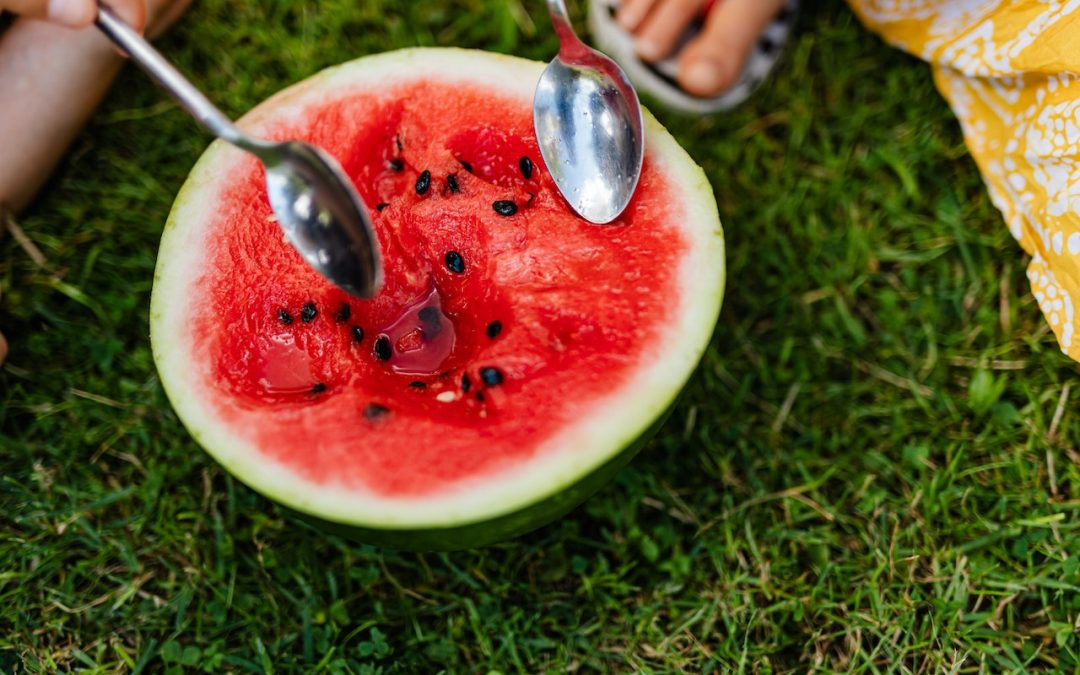
Watermelon juiciness quenches like a sip from paradise. Crisp, sweet, bright red inside and vibrant green exterior, it embodies the essence of summer, making every bite a delicious celebration of the season. Yes, watermelon is one of my favorite fruits!
Did you know that watermelon is a superfood that originated in southern Africa?
This refreshing and delicious fruit is packed with nutrients that can boost your health in many ways. It is a member of the Cucurbitaceae family, which also includes cucumbers, pumpkins, zucchini, and cantaloupe.
Maintaining excellent health becomes more important as we age. High blood pressure, sometimes referred to as hypertension, is one of the most prevalent health issues that people, particularly those over the age of 60, deal with.
Heart disease, stroke, and renal issues are just a few of the serious health implications that high blood pressure can cause.
Fortunately, watermelon is nature’s tasty and cooling ally in the battle against high blood pressure. Listed are the multiple health advantages of watermelon, as well as how it can help people over 60 who have high blood pressure/hypertension.
The Watermelon’s Wonders
The delicious and moisturizing fruit watermelon is loved all around the world, but it is especially popular in the hot summer months. The watermelon’s vivid pink and green colors make it both a tasty treat and a healthy powerhouse.
- Lycopene-rich: Lycopene, a strong antioxidant also present in tomatoes, gives watermelon its stunning color. Lycopene’s ability to lower blood pressure and lower the risk of heart disease has been the subject of much research.
- High in key vitamins and minerals: Watermelons are a great source of vitamins A, C, and B6, as well as essential minerals like potassium and magnesium. These nutrients are essential for preserving general health and promoting cardiovascular health.
- Watermelon is a good source of Citrulline, which your body transforms into arginine, can be found in watermelon. These two amino acids support the synthesis of nitric oxide. A gas molecule called nitric oxide relaxes and dilates the small muscles that surround your blood vessels. As a result, the blood pressure drops. Zinc, a crucial vitamin for the immune system and metabolism, is also found in watermelon. The synthesis of testosterone, which keeps your sex desire strong, may depend heavily on zinc.
- Hydration: With a water content of almost 92%, watermelon is among the most hydrating fruits, especially in hot weather. Optimal blood pressure management depends on proper hydration.
- Low Calorie: Watermelon has a low-calorie count, which makes it a good snack for people trying to control their weight as part of their hypertension management plan.
- Amino Acid Citrulline: Citrulline, an amino acid found in watermelons, may help control blood pressure. Nitric oxide, a chemical that aids in relaxing blood vessels and improving blood flow, is produced in part by citrulline.
- Watermelon and Blood Pressure: Watermelon and Reduced Muscle Soreness After Exercise.
Let’s explore the scientific basis for how watermelon may reduce hypertension and high blood pressure:
- Blood Pressure Reduction: consuming watermelon regularly or its nutrients, like lycopene and citrulline, can lower blood pressure levels.
- Nitric Oxide Synthesis: The citrulline component of watermelon is essential for boosting nitric oxide synthesis. Nitric oxide facilitates blood vessel relaxation, enhancing blood flow and perhaps reducing blood pressure.
- Potassium and Magnesium: Potassium and magnesium are two nutrients that are essential for controlling blood pressure, and watermelon is a rich supply of both. Magnesium promotes blood vessel relaxation, whereas potassium balances the body’s sodium levels.
- Hydration and Blood Pressure: Maintaining healthy blood pressure levels requires adequate hydration. Watermelon’s high water content aids in general hydration, which is necessary for controlling blood pressure.
- Watermelon is a decent provider of a few other vitamins and minerals and a good source of:
- Vitamin C, Boosting the immune system and the health of the skin depends on this antioxidant
- Copper.
- B5 vitamin, referred to as pantothenic acid.
- A Vitamin. The beta carotene found in watermelon can be converted by your body into Vitamin A.
Enjoying Watermelon: Ideas
It can be a pleasure to incorporate watermelon into your diet, especially in the summer. Here are a few inventive and delectable ways to consume and drink this refreshing fruit:
- Slice up fresh watermelon into bite-sized pieces for a traditional technique. The ideal snack for beating the heat and keeping hydrated.
- Watermelon Smoothie: For a tasty and wholesome smoothie, combine 2 cups of watermelon chunks, 1/2 cucumber, peeled and sliced, ginger, a few chunks of pineapple, a little water, and ice, to taste and desired consistency.
- Watermelon Salad: For a distinctive and savory salad, combine cubes of watermelon with feta cheese, mint leaves, and a drizzle of balsamic vinegar.
- Watermelon Salsa: Combine diced watermelon with red onion, cilantro, jalapenos, and lime juice to make a salsa. It is excellent with grilled fish or poultry.
- Hydrating Popsicles: For a refreshing and healthy treat, blend some coconut water and watermelon and then pour the liquid into popsicle molds.
While most people generally consider watermelon to be safe and healthy, it’s important to keep the following things in mind.
- Portion control: Watermelon contains natural sugars, much like many fruits do. Watermelon should be eaten in moderation, especially by those watching their sugar intake, even if these sugars are not dangerous.
- Allergies: Some people may be allergic to specific watermelon ingredients; if you are aware of any allergies or sensitivities, proceed with caution when eating watermelon.
Conclusion: As we become older, high blood pressure becomes a bigger problem, especially for people over 60. Maintaining general health and avoiding significant cardiovascular consequences depend on controlling hypertension. With its lycopene, citrulline, vitamins, and minerals, watermelon offers a healthy and energizing way to promote blood pressure control. The specific nutritional profile of watermelon may help lower blood pressure levels when consumed. Beyond its delightful taste, including watermelon in your diet, especially during the summer, can have several positive effects on your health.
However, it’s crucial to approach any dietary adjustment moderately and regarding a person’s unique health circumstances. Including watermelon in your regular meals can be pleasurable and beneficial to your health. So, take advantage of the chance to enjoy this luscious fruit and perhaps benefit from its benefits in the control of high blood pressure and hypertension so that you can have a longer, healthier, and quality life. Consult your medical professional before making dietary changes, especially if you have high blood pressure/hypertension or take medication. Take steps to safeguard your health and well-being.